The Sustainability of the "No": How to Build a Music Career That Lasts
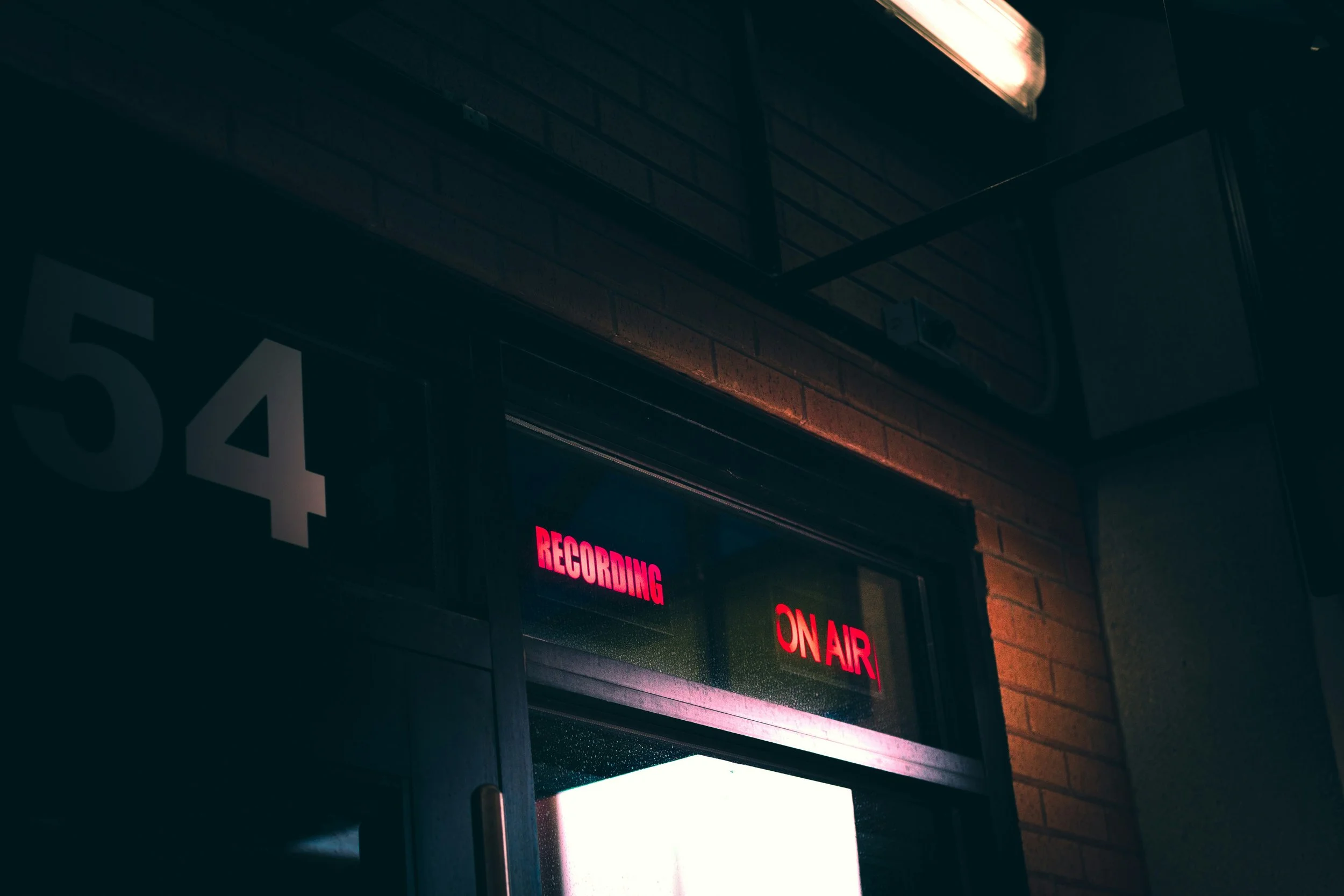
Photo by Anthony Torres on Unsplash
Moving from a scarcity mindset to long-term financial and mental stability.
There is a specific kind of "phantom limb" pain in the music industry: the fear of the empty calendar. It’s the nagging voice that whispers, "If you don't take this project, another one might not come along for months." We’ve all been there—sitting on a train or in a studio, looking at a proposal that feels "fine" but doesn't quite hit the mark. Out of a fear of lack, we say yes. We think we are building security, but in reality, we are crowding our mental capacity. We aren't building a sustainable career; we’re just surviving a schedule. In 2026, the real music industry trend isn't "more"—it's curation.
Music Industry Mental Health: Moving from a Scarcity Mindset to Psychological Safety
The "scarcity mindset" is the ultimate enemy of music industry mental health. It forces us into a reactive state where we are perpetually playing catch-up. When your mental space is cluttered with projects you took out of fear, you lose the ability to be "fully present."
For the past three years, my work as an Editor for ESNS has served as my personal benchmark. It’s an aligned collaboration that sets the bar for what a healthy, professional partnership looks like. Because I have that benchmark, I can see when a new project doesn't measure up. However, having a benchmark only works if you have the courage to use it.
Safeguarding your mental health means realizing that an empty slot on your calendar isn't a "lack"—it’s capacity. It is the space required for a "hell yes" project to actually land.
“Every mediocre project you take on carries a “mental load” that weighs down your next big idea.”
Sustainable Music Career Trends: Why Selective "Yes-ing" is the Ultimate Strategy
The industry is shifting. We are seeing more artists and professionals burn out not because they lack talent, but because they lack boundaries. A sustainable music career isn't built on the volume of work; it's built on the stability of the work.
When you move from a "hustle culture" mentality to a strategy of selective "yes-ing," three things happen:
You raise your price point: When you aren't desperate for every gig, you can negotiate from a place of detached strength.
You deepen your collaborations: By having fewer projects, you can give your full creative weight to the ones that remain.
You protect your "Wait and See" window: As I realized on my recent trip to Antwerp, being prepared but detached allows you to evaluate a project's "clean-up threshold" without the cloud of desperation.
Safeguarding Your Creativity: How to Measure "Mental Load" vs. Career Longevity
To safeguard your creativity, you have to treat your mental capacity like a finite resource—because it is. Every mediocre project you take on carries a "mental load" that weighs down your next big idea.
If you want career longevity, you have to be willing to communicate the "no" clearly and professionally. This isn't about being difficult; it's about being an architect of your own time. Ask yourself: Does this project meet my benchmark? Am I saying yes because I’m inspired, or because I’m afraid?
Stability isn’t found in a full inbox. It’s found in the security of knowing that when you say "no" to the wrong thing, you are finally saying "yes" to yourself.
If this resonated with you, please Like, Comment, or Share—it helps more than you know in keeping this conversation visible.

Stay in touch!
For more insights, thought-provoking content and self-help tools and resources, subscribe to my newsletter, where I share things I just don’t share anywhere else.